
B
BUILDING
10.81
5

ADVANCING NEW POTENTIAL CLASSES OF MEDICINES FOR A RANGE OF IMPORTANT DISEASES

Our pipeline includes clinical-stage programs as well as development candidates and earlier-stage research programs that leverage the unique properties and versatility of boron chemistry.

Program Candidate Target Preclinical Phase 1 Phase 2

Hematology / Oncology

Polycythemia vera
Epetraborole
Globin synthesis
Phase 2
Oncology
PI3Kα
Preclinical
Oncology
AN2-503321
ENPP1
Preclinical

Infectious Diseases

Chagas disease
AN2-502998
CPSF3
Phase 2
M. abscessus lung disease
Epetraborole
LeuRS
Phase 2
IIT

Bone Disorders

Hypophosphatasia
AN2-504661
ENPP1
Preclinical

Global Health

Melioidosis
Epetraborole
LeuRS
Phase 2
Tuberculosis
CPSF3
Preclinical
IIT = investigator-initiated trial; globin synthesis represents presumed MOA in PV
Polycythemia vera

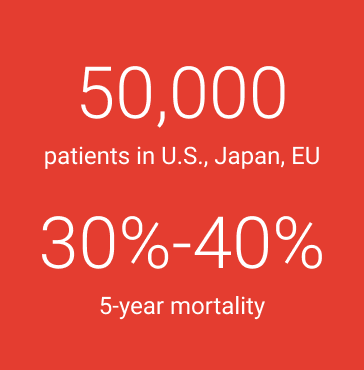
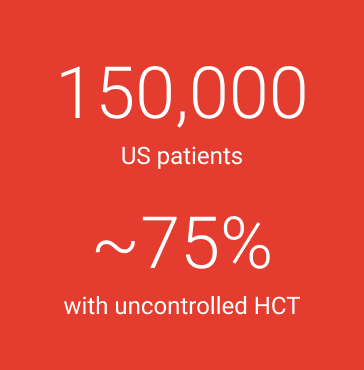
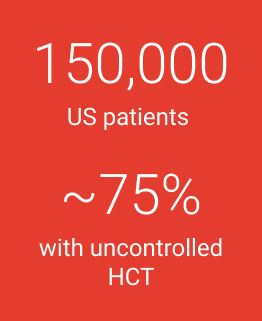
Polycythemia vera (PV) is a rare, chronic myeloproliferative neoplasm characterized by the overproduction of red blood cells and is caused in the vast majority of cases by activating mutations in JAK2. PV significantly increases the risk of thrombosis, cardiovascular complications, and reduced quality of life, and many patients remain dependent on regular phlebotomy to control hematocrit levels. Over time, patients may progress to myelofibrosis or acute myeloid leukemia, conditions associated with substantial morbidity and mortality.

Epetraborole, an investigational oral, small-molecule therapy, is designed to offer a novel proposed mechanism in PV by targeting globin synthesis. Prior clinical data in non-PV patients suggest potential for dose-dependent, reversible hematocrit reductions without broadly suppressing white cells or platelets—a profile consistent with red-cell selectivity rather than generalized cytoreduction—and without the iron deficiency seen with phlebotomy.
Learn more
Chagas disease

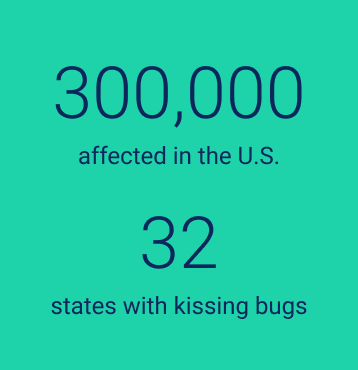
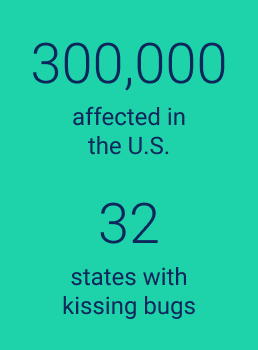
Chagas disease is caused by infection with the parasite Trypanosoma cruzi (T. cruzi). About 300,000 people in the US, and about 7-10 million people worldwide are estimated to be infected with the T. cruzi parasite. Local transmission is increasing due to the spread of “kissing bugs,” which are now present in at least 32 states. Twenty to thirty percent of people infected will develop severe cardiac or gastrointestinal disease, and ~30% will progress to Chagas cardiomyopathy, a chronic condition that can lead to sudden death. We are developing AN2-502998, an investigational oral, small molecule benzoxaborole targeting CPSF3 for Chagas disease. Preclinical studies have shown favorable safety results and suggest AN2-502998 has curative potential, by killing both actively dividing and dormant parasites faster than benznidazole.

Learn more
M. abscessus

M. abscessus affects the lungs and is a CDC-recognized urgent antimicrobial resistance threat. Current standard of care involves multi-drug regimens given for ≥12 months. Treatment success rates are <50%, and there is significant toxicity risk from prolonged antibiotic exposure. We are developing epetraborole (EBO), an oral, boron-based antibiotic for the treatment of M. abscessus. Preclinical data show potent in vitro activity observed against clinical isolates including macrolide-resistant strains, favorable pharmacokinetic results supporting oral dosing, and synergy with current standard of care agents, including cidal activity in a preclinical lung model.

Learn more
Oncology: Pan-mutant PI3Kα

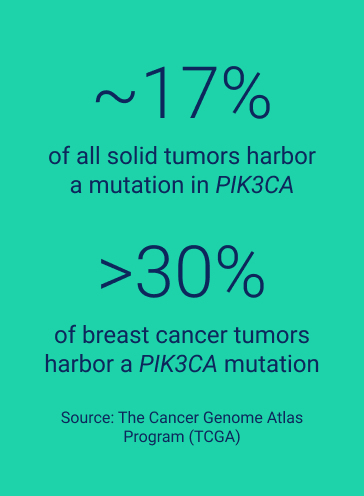
The phosphoinositide 3-kinase alpha (PI3Kα) pathway plays a critical role in cell growth, metabolism, and survival. Within the PIK3CA gene, which encodes the PI3Kα protein, hotspot mutations in the kinase (H1047X) and helical (E545X, E542X) domains drive the uncontrolled pathway activation that fuels tumor development. Approved and current late-stage clinical PI3Kα inhibitors lack a high degree of mutant selectivity, resulting in significant toxicities due to inhibition of wild-type PI3Kα. We are developing a highly potent PI3Kα inhibitor designed to target mutations in the kinase and helical domains with high selectivity over wild-type PI3Kα. Our preliminary preclinical results demonstrate in vivo efficacy comparable to alpelisib while maintaining a safety profile that avoids the toxicities typical of non-selective inhibition.

Learn more
Immuno-oncology: ENPP1

Cancer survival depends on evading the immune system. One of the body’s earliest detection mechanisms relies on cGAMP, a signaling molecule released by cancer cells that acts as a “danger signal” to the immune system. This signal can turn a “cold” tumor “hot,” alerting host cells to the presence of the cancer.

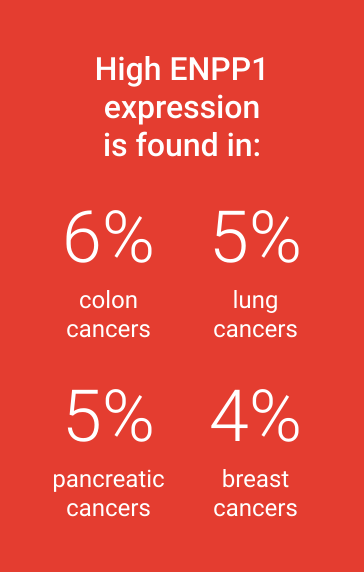
However, many tumors escape detection by overexpressing ENPP1, an enzyme that degrades cGAMP and effectively silences the alarm. We are developing highly potent, boron-based ENPP1 inhibitors designed to restore innate immune activation within the tumor microenvironment. Preclinical studies showed single-agent activity when compared to PD-1 and CTLA-4 checkpoint inhibitors, synergistic effects when combined with anti-CTLA-4, and durable tumor regression with lasting immune memory to help prevent recurrence.

Learn more
Healthy young woman with curly hair smiling and looking up outdoors.

Clinical trials

AN2 Therapeutics is committed to delivering high-impact drugs to patients that address critical unmet needs and improve health outcomes. Successful clinical trials are required to gain regulatory approval for new medications to advance patient care and may be required to support any approved products.


For information on AN2 Therapeutics clinical trials that may be recruiting, search “AN2 Therapeutics” at www.clinicaltrials.gov.

Presentations and publications